Leaders

Illinois · General election · Tuesday, November 3, 2026

Know who you're voting for.

Six offices are on every ballot in the state. Leaders lists the printed candidates, what the job does, and what each campaign says it will do.

Polls are open 6 a.m. to 7 p.m. If you are in line by 7, you can still vote. This is not an endorsement and not a government site.

Before you go

Same six races. Then your own district.

What to bring

Most people who are already registered sign the application. If you registered by mail and this is your first vote in the jurisdiction, bring identification. Call your county clerk if you are unsure.

How names got here

These are the candidates printed on county specimen ballots. Primary losers and candidates removed in July are not listed. On this site the order is Republican, then Democratic, then any other party. Your precinct ballot may list them differently.

Write-ins

Governor, comptroller, and treasurer include a write-in line. A write-in counts only if that person filed. This guide covers the printed names.

One vote each

Vote for one Senate candidate, one governor ticket, and one person in each of the other four offices. Governor and lieutenant governor are a single choice. Terms are four years, except the Senate, which is six. Illinois does not limit the governor to two terms.

Federal · Vote for one · Open seat

U.S. Senate

Durbin is retiring. The winner is one of 100 votes on federal law, spending, treaties, and judges. Six-year term. Primary was March 17.

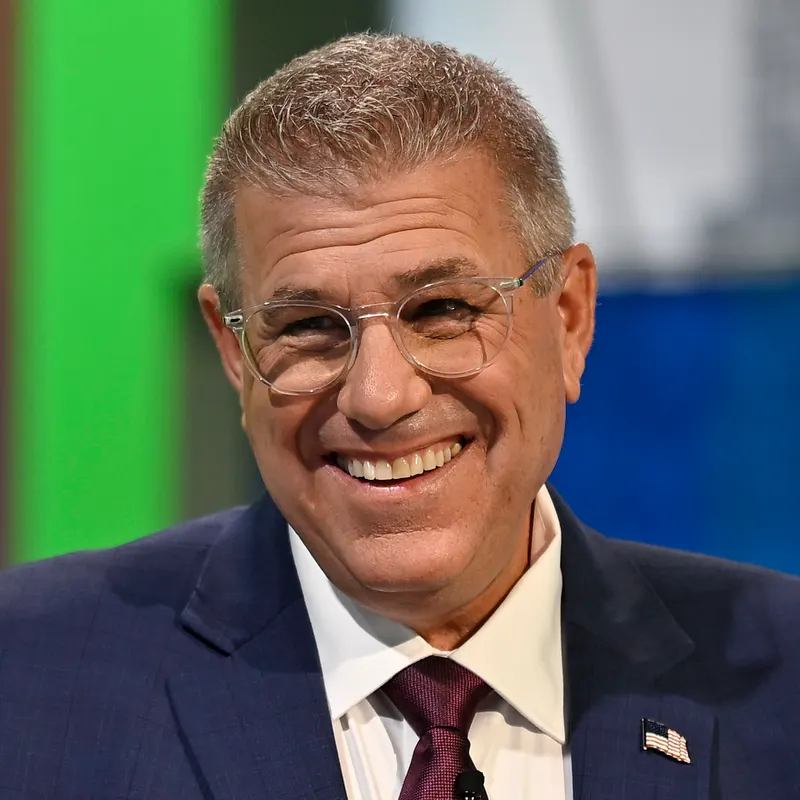
Don Tracy

Don Tracy

Republican

Attorney · former Illinois Republican Party chair · won the primary with 40%

Springfield lawyer and former chair of the Illinois Gaming Board, from Mt. Sterling. He says he is running on costs, safety, and a voice for the whole state, not only Chicago and Cook County.

  • Lower taxes, energy bills, and health-care costs, with an all-of-the-above energy policy so rates fall and the lights stay on.
  • Back police, hold violent offenders accountable, and enforce immigration law. He opposes taxpayer-funded benefits for people here illegally.
  • Less federal regulation on small business, manufacturing, and farms, and tighter control of federal spending.
Juliana Stratton

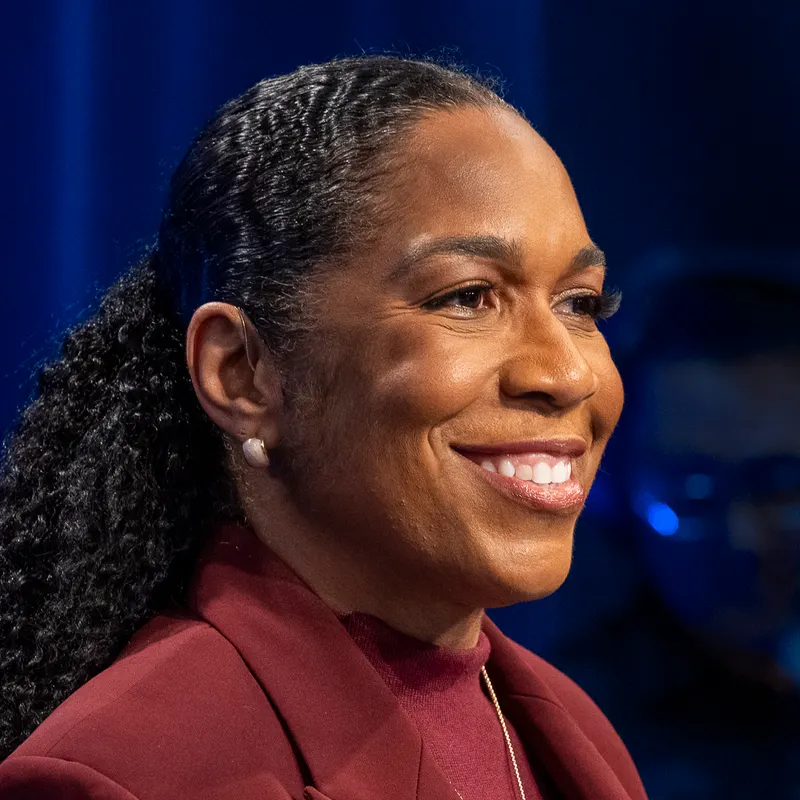
Juliana Stratton

Democratic

Lieutenant governor since 2019 · former state representative · won the primary with 40.4%

South Side of Chicago. Daughter of a Navy veteran and a Chicago public-school teacher, and a mother of four. She finished ahead of Raja Krishnamoorthi and Robin Kelly, and she is not taking corporate PAC money in this race.

  • $25 federal minimum wage, a larger earned-income credit and child tax credit, and a middle-class tax cut paid for by higher taxes on income above $1 million.
  • Medicare for All, including home care, hearing, and vision. She opposes the current tariffs, which she calls a tax on groceries and goods.
  • Restore Roe-level abortion protections, pass the John Lewis Voting Rights Act and gun laws, and abolish ICE. Her housing plan targets hedge-fund home purchases and algorithm-set rents.
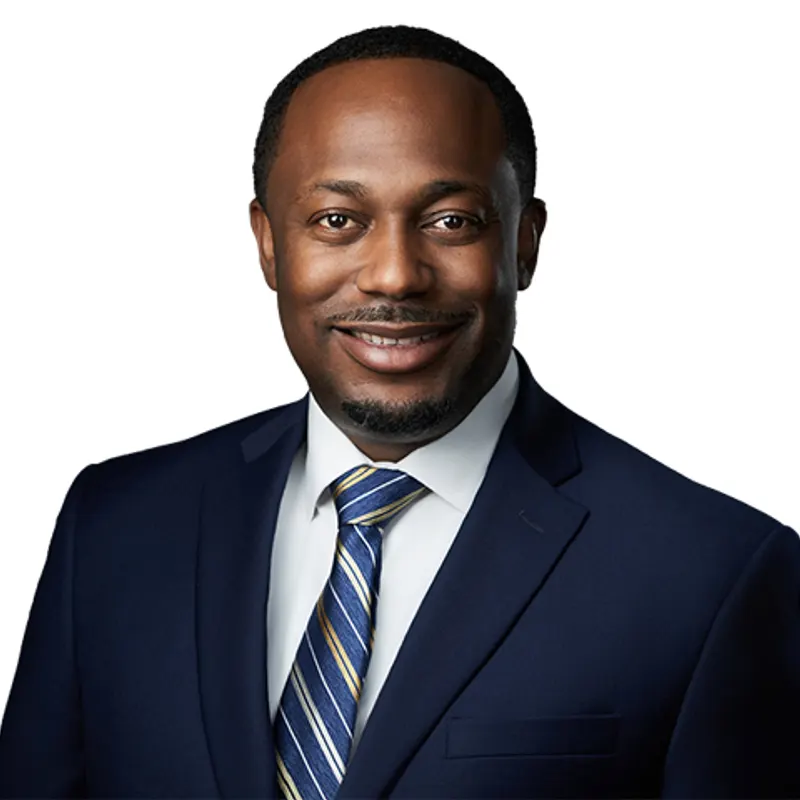
Whitfield Harrington Jr.

Whitfield Harrington Jr.

American Center

Schaumburg pastor · former financial-services professional · party he founded

Degree from Delta State. He worked in banks and insurance, then has pastored in Chicago since 2013. He built the American Center Party for voters who think both major parties have moved to the edges. A finish of 5% would make it an established party in Illinois.

  • End the Iran war, then ban oil-market speculation by people who never take delivery. He says that would cut prices across the economy.
  • Direct primary care, paying the doctor instead of routing routine care through insurance. Free community college.
  • Keep tariffs off food. Use them to stop dumping that hurts U.S. factories, and negotiate them in private. He says current immigration enforcement has “crossed the line.”

State · Vote for one ticket

Governor and lieutenant governor

One choice elects both. The governor signs or vetoes laws, proposes the budget, and appoints agency heads. The lieutenant governor succeeds the governor and takes the duties assigned. A write-in line is on this race.

Darren Bailey

Darren Bailey

Republican

With Aaron Del Mar, Cook County Republican Party chair · farmer from Xenia · 2022 nominee

Former state representative and senator, in a rematch with Pritzker. He won the March primary with 53.3%. Donald Trump endorsed him in September 2026. This guide has no separate photo of Del Mar.

  • Cut property taxes and state spending. He argues Springfield should audit what it already spends instead of adding programs.
  • Repeal the SAFE-T Act and bring back cash bail. Repeal the TRUST Act so local police can work with federal immigration enforcement, and end state spending on undocumented residents.
  • He personally opposes abortion and has said he will not try to change Illinois abortion law.
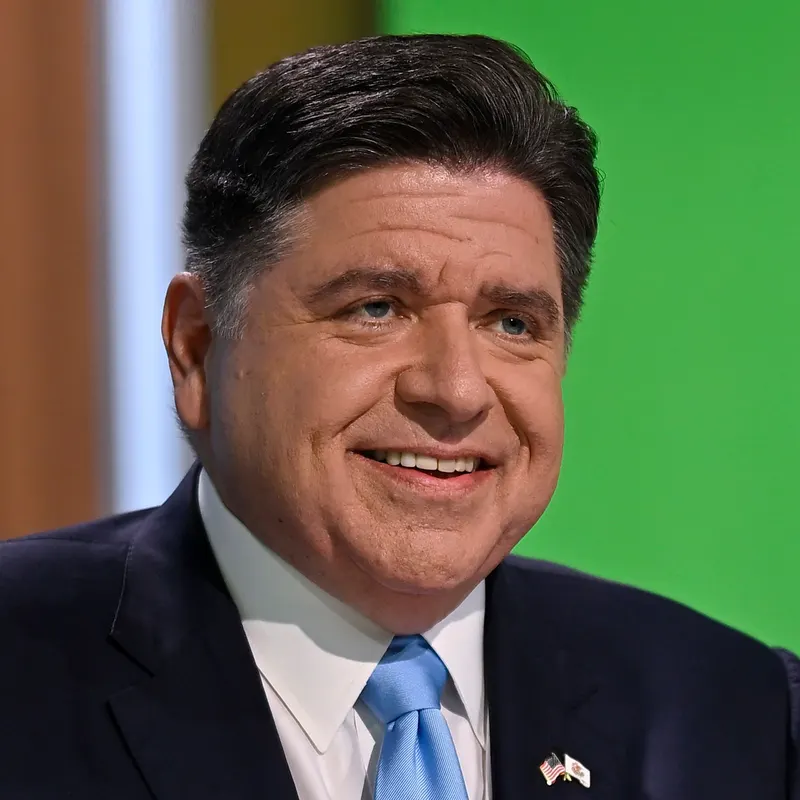
J.B. Pritzker

J.B. Pritzker

Democratic

Incumbent since 2019, with Christian Mitchell, a former state representative and deputy governor

Businessman seeking a third term, which no Illinois Democrat has won. Mitchell would replace Stratton, who is running for Senate. This guide has no separate photo of Mitchell. Pritzker campaigns on wages, abortion access, schools, and budgets he says are balanced, along with credit-rating upgrades.

  • Points to the $15 minimum wage, the ended state grocery tax, a doubled child tax credit, a $35 insulin cap, and medical-debt relief. Wants more housing.
  • Abortion-access laws that made Illinois a destination for care. He says health care is a right and opposes federal Medicaid cuts.
  • Signed limits on civil immigration arrests near courthouses, hospitals, colleges, and day cares. Says people convicted of violent crimes should be deported, and that he is open to changes in SAFE-T pretrial rules.
Collin Corbett

Collin Corbett

Independent

With Carolyn Schofield, a former McHenry County Board member · Palatine consultant

Owner of Cor Strategies. A Republican strategist for about 20 years who left the party to run. This guide has no separate photo of Schofield. He calls affordability the race and says neither major-party nominee will fix property taxes.

  • Property-tax relief first, then spending restraint, cheaper gas and power, fewer data centers, and more housing.
  • Has proposed taxing some services so property taxes and the sales tax on essentials can come down.
  • Supports abortion rights. Would amend the TRUST Act so police can work with federal agents on violent cases. Supports more gun laws and health-care price transparency, including direct primary care.

State · Vote for one

Attorney general

Lawyer for the state. Consumer fraud, civil rights, antitrust, some public-corruption work, and lawsuits to defend Illinois statutes and funding. Criminal cases are mostly local state’s attorneys. Four-year term.

Robert W. Fioretti

Robert W. Fioretti

Republican

Former Chicago alderman · attorney · Democrat until he switched parties

Known as Bob Fioretti. Has run for Chicago mayor, Cook County board president, and Cook County state’s attorney. He says the office spends too much time on national lawsuits and too little on crime and corruption in Illinois.

  • Push state’s attorneys to prosecute violent crime more aggressively. He says the office should “represent the victims of crime.”
  • “Restore the rule of law” and “break this cycle of crime and corruption.”
  • He says he agreed with only three of Raoul’s suits against the Trump administration, and that Raoul is rarely the lead plaintiff when many Democratic states sue together.
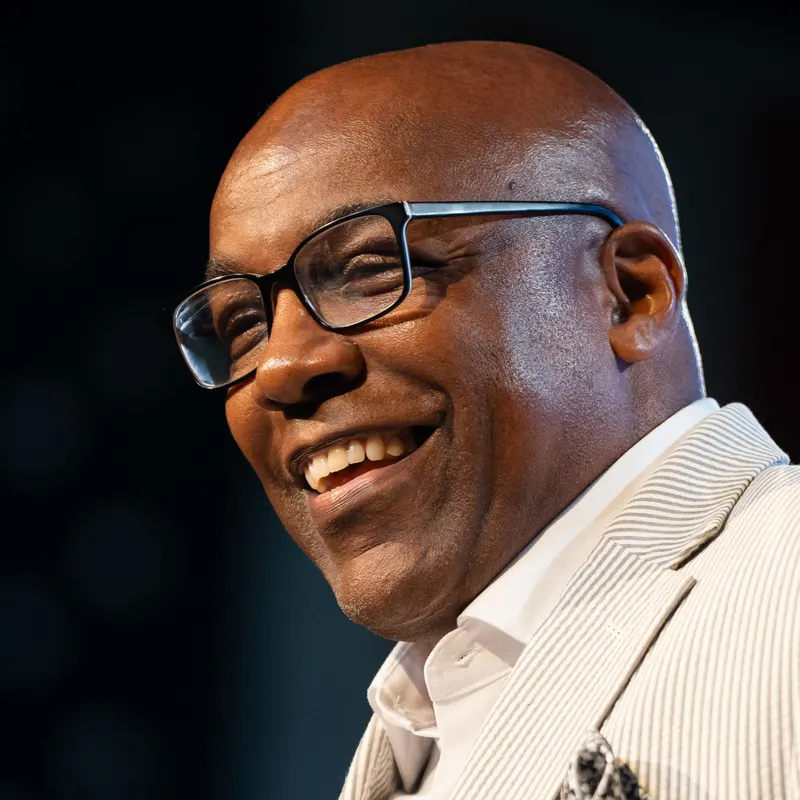
Kwame Raoul

Kwame Raoul

Democratic

Incumbent · seeking a third term · former state senator

Unopposed in the Democratic primary. His office’s public docket has leaned on consumer protection, workers, civil rights, guns, and reproductive rights. Capitol News Illinois counted roughly 90 legal fights with the Trump administration in the last two years. The office says those cases kept Illinois from losing access to more than $8 billion in federal funds.

  • If reelected, keep lawyers on staff and rebuild capacity after lawmakers cut the office budget by $10 million this year.
  • Says corruption has been a priority for eight years, including cases the office cannot announce because the U.S. attorney takes the public lead.
  • Will keep defending state laws on abortion, guns, and civil rights, and joining multistate cases when federal policy hits Illinois funding.

State · Vote for one

Secretary of state

The office most people actually visit. Driver’s licenses and Real ID, vehicle titles and plates, business filings, organ-donor registration, and the state library. Four-year term.

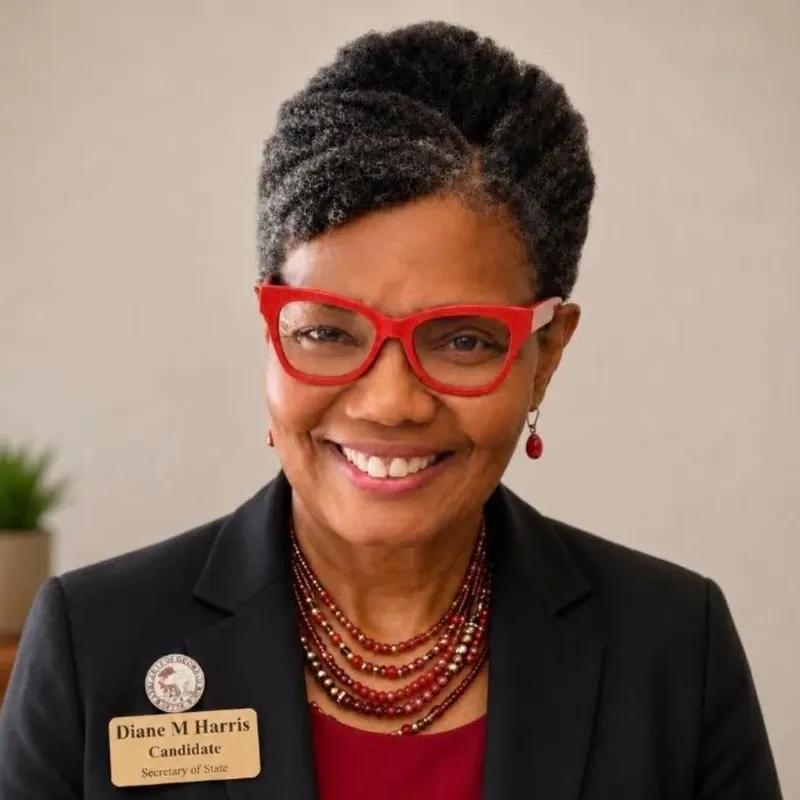
Diane M. Harris

Diane M. Harris

Republican

Joliet Junior College trustee · Will County

She told Capitol News Illinois she would rather have voters than the incumbent’s campaign cash, and that she has advertised mainly on Joliet radio. She says she would keep much of the appointment system and still take walk-ins.

  • Rules-of-the-road tests in English only. The office now offers them in Spanish and other languages, including Chinese and Polish.
  • Faster service at the counter and online, and a simpler business-licensing process.
  • Clean up voter rolls and “election integrity.” The secretary of state maintains some records used in elections. Illinois elections themselves are run by the State Board of Elections and local clerks.
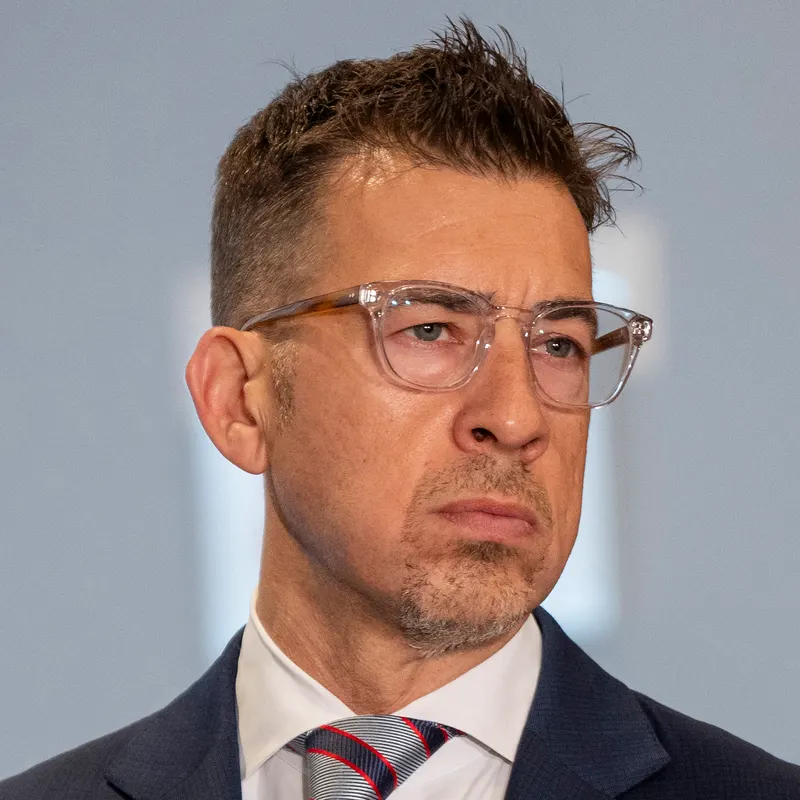
Alexi Giannoulias

Alexi Giannoulias

Democratic

Incumbent · also running for mayor of Chicago

He has filed for Chicago’s next mayoral race while seeking this second term. He told Capitol News Illinois he is focused on the job in front of him. Critics say a win in Chicago would mean leaving this office months into the term.

  • Cites appointments, kiosks, a Chicago Real ID supercenter, and more services online so a license stop is not a lost workday.
  • Backed digital driver’s licenses, limits on state grants to libraries that ban books, and rules for e-bikes and e-scooters.
  • Second term: finish that work. He has also said license-plate-reader companies should not hand data to police to track immigrants or people seeking abortion care.

State · Vote for one · Open seat

Comptroller

Pays the bills the legislature and governor have already approved, publishes the state’s checkbook, and enforces some wage rules by holding payments. Does not write the budget. Susana Mendoza is leaving after a decade to run for mayor of Chicago. A write-in line is on this race.

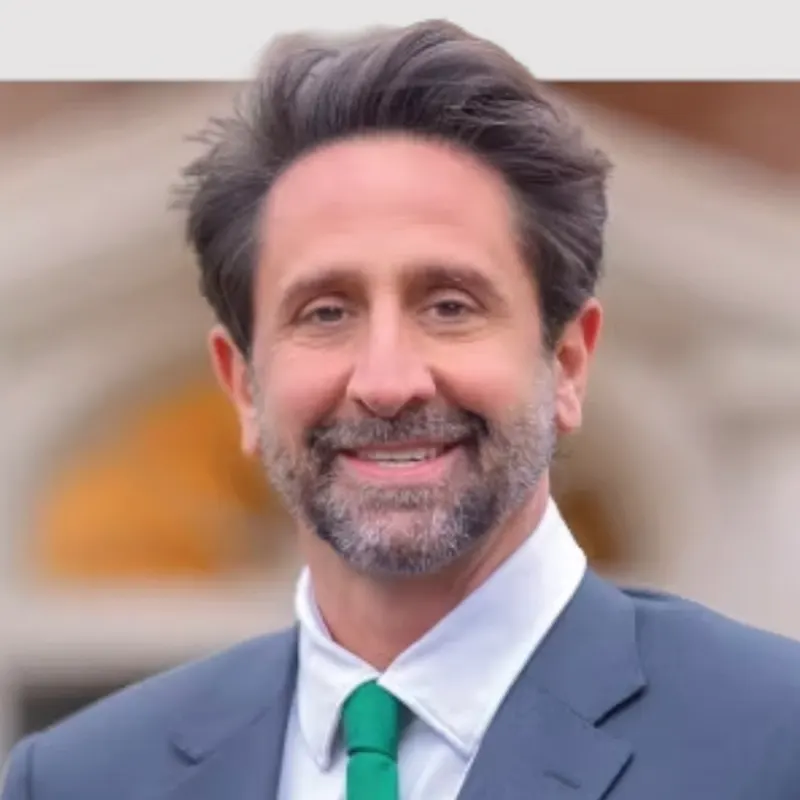
Bryan Drew

Bryan Drew

Republican

Attorney from Benton

Says he is not a politician and that his only client would be the taxpayer. He argues a Democrat who voted for the current budgets cannot be the watchdog of a Democratic governor and legislature. Spending decisions still sit with those two branches. The comptroller’s leverage is disclosure and which bills get paid when.

  • Rebuild the office website so a resident can see, in plain language, where money went.
  • Track grants to nonprofits and use artificial intelligence to flag waste, fraud, and abuse.
  • Treat transparency as the path to lower spending and lower taxes. Says he would help the legislature if it takes up pension changes.
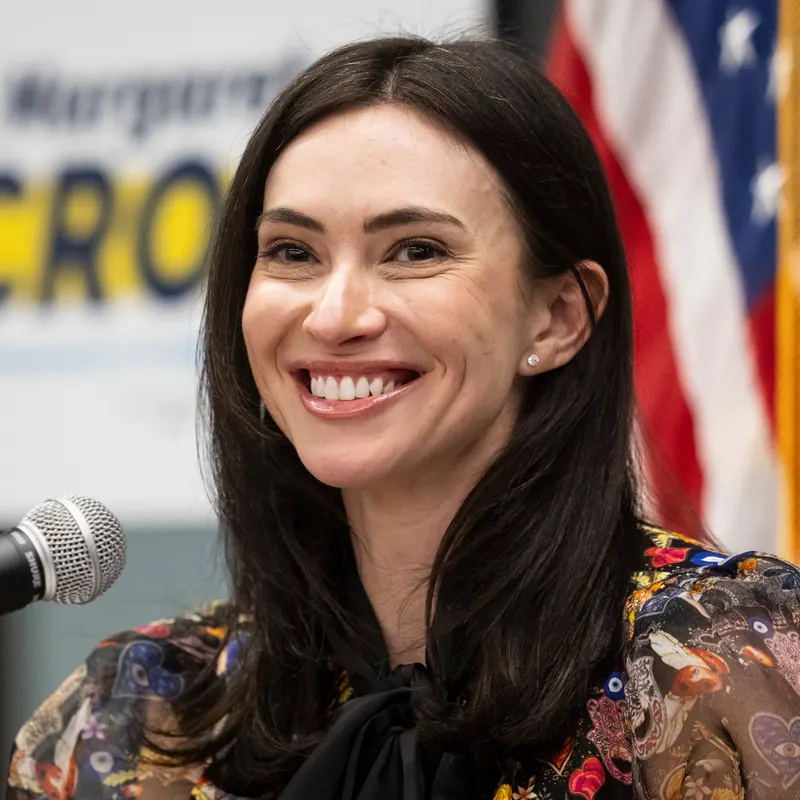
Margaret Croke

Margaret Croke

Democratic

State representative, 12th District, since 2021 · chairs Financial Institutions

Chicago. Previously deputy chief of staff at the Department of Commerce and Economic Opportunity. She voted for the recent budgets Democrats credit with paying down the bill backlog and lifting the state’s credit. She calls the budget a moral document and says the job is to make every dollar traceable.

  • A public “budget to bill” tool: from the line in the budget to the day the check goes out.
  • Connect the office’s software to other agencies, use predictive models to catch missed federal matches and fraud, and send staff to help small vendors and local governments with late audits.
  • Keep withholding pay from contractors who violate the Prevailing Wage Act. Change the Vendor Payment Program so finance firms cannot cherry-pick the receivables of larger vendors. Rebuild the rainy-day fund and make pension payments.

State · Vote for one

Treasurer

Invests state cash, runs the Illinois Funds for local governments, holds the unclaimed-property list, and oversees Bright Start and Bright Directions college savings. Four-year term. No Republican filed for the primary. Solomon won the line as a write-in. A write-in line is also on the general-election ballot.

Max Solomon

Max Solomon

Republican

Attorney from Hazel Crest

DePaul and Valparaiso Law. Has been a Grande Prairie library trustee and an adjunct political-science instructor at South Suburban College. He dropped a long-shot race for governor and won more than 60,000 write-in votes in March to make this ballot. He had under $5,000 on hand on October 1, against Frerichs’s roughly $1.6 million.

  • “Illinois first.” He says state money should not be invested with foreign governments, and that he would take a lower return to keep investments here. He did not name a Frerichs investment he considers political.
  • Use the office as “whistleblower-in-chief” on waste and fraud, including pressure on the legislature. Much of that is outside the treasurer’s formal powers.
  • His campaign also lists a public dashboard of state funds and a stronger Bright Start and Bright Directions.
Michael W. Frerichs

Michael W. Frerichs

Democratic

Incumbent since 2015 · former state senator · grew up in Gifford

Won his first race by fewer than 10,000 votes. A win now would make him the longest-serving treasurer in state history. He describes the job as making money for the state, helping families save, and giving money back.

  • Unclaimed property: he says the office returns about $1 million a day. This year that included $8.65 owed to Robert Prevost, now Pope Leo XIV, from an old PayPal account.
  • Cites a Morningstar turnaround for Bright Start, and investment earnings above $1.4 billion in fiscal 2026. Local governments in the Illinois Funds earn interest he says they then do not have to raise in property taxes.
  • Will keep Israel bonds. His test is return, safety, and diversification, and he says dropping them is a question for the legislature, not his office.

Your address decides the rest

What else is on the ballot.

Congress, the General Assembly, county offices, and judges change with your address. Look up the specimen ballot for your precinct. The State Board of Elections polling-place search is at elections.il.gov.

U.S. House

All 17 Illinois districts. You vote in one. Five sitting members did not run again, so several seats have no incumbent.

State House

All 118 districts, two-year terms. Many Chicago-area seats have only one name on the ballot.

State Senate

39 of 59 districts this year. Terms are staggered. If your district is not up, it will not be on your ballot.

County and schools

Clerk, treasurer, sheriff, county board, and regional superintendent of schools appear in many counties. Some of those are uncontested.

Judges

A few contested appellate and circuit seats, plus retention questions. Retention is not a race against another person. A judge needs three-fifths of the vote on that question to stay.

Local questions

Some counties and cities have sales-tax or other propositions. Read the full question on the specimen ballot. A yes vote adopts that tax or proposal.